Bliga: A Cheerful Font for Creative and Professional Workflows
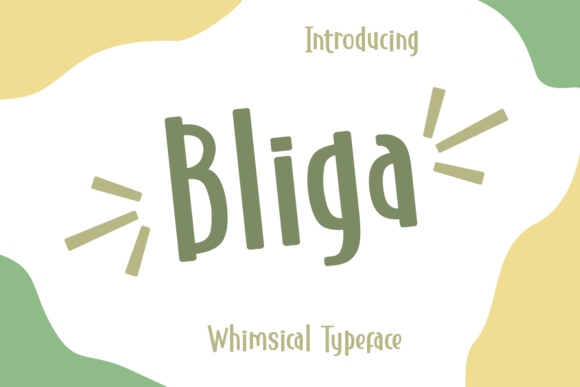
Bliga is a display font that brings a unique blend of cheerfulness and simplicity to any design project. Its handcrafted appearance gives it an organic feel that stands out in a world dominated by digital precision. Whether you're working on branding, editorial design, or personal projects, Bliga can add a touch of warmth and personality that resonates with your audience.
Understanding Bliga in the Design Process
Bliga fits naturally into the broader design process, offering a visual identity that feels both intentional and approachable. It's particularly useful when you want to convey a sense of authenticity or human touch. For instance, in branding, Bliga can be used for logos, taglines, or marketing materials to create a friendly and inviting brand image.
When integrating Bliga into your workflow, consider how it interacts with other design elements. It pairs well with clean, modern fonts for contrast, allowing it to stand out without overwhelming the composition. This balance is key to maintaining readability while still making a visual statement.
Using Bliga in Different Stages of a Project
Bliga can be applied at various stages of a project, from initial concept to final delivery. During the planning phase, it can help visualize ideas and communicate them more effectively. For example, when sketching out a brand concept, using Bliga in mockups can give stakeholders a clearer sense of the intended tone and style.
In the execution phase, Bliga can be used for headings, titles, or callout text to draw attention and guide the viewer’s eye. Its legibility makes it suitable for both print and digital media, ensuring consistency across different platforms. When designing a website or app, Bliga can be used for buttons, headlines, or section dividers to enhance user experience without sacrificing aesthetic appeal.
After a project is completed, Bliga can still play a role in quality control and review. By applying it consistently across all deliverables, you ensure that the visual language remains cohesive. This is especially important for long-term projects where maintaining brand integrity is crucial.
Bliga and Workflow Integration
Integrating Bliga into your existing workflow requires careful consideration of compatibility and usability. Before implementing it, check how it works with your design software, such as Adobe Illustrator, Photoshop, or Figma. Most modern tools support custom fonts, but it's always good to test them in different contexts to ensure they render correctly.
Bliga also interacts well with other design resources. For instance, when working with color schemes, its organic shape can complement both warm and cool tones. In typography pairings, it can act as a focal point, drawing attention to key messages without competing with other text elements.
For teams, Bliga can serve as a shared asset that promotes consistency. By including it in a design system or style guide, team members can easily access and apply it across projects. This not only streamlines the design process but also ensures that the brand's visual identity remains unified.
Practical Tips for Implementing Bliga
To get the most out of Bliga, start by defining its purpose within your project. Are you using it for a logo, a poster, or a social media campaign? Understanding its role will help you make better decisions about size, spacing, and placement.
When using Bliga in digital formats, pay attention to kerning and tracking. These adjustments can significantly impact readability, especially in larger text sizes. Testing it at different scales can also reveal how it performs in various contexts, from mobile screens to large-format prints.
For print projects, consider how Bliga appears on different paper stocks and inks. Some fonts may look different depending on the printing method, so it's wise to request samples or conduct tests before finalizing your design.
Bliga in Real-World Use Cases
Bliga has been successfully used in a variety of creative and professional settings. For example, in the publishing industry, it's often chosen for book covers, magazine layouts, or editorial designs that aim to evoke a sense of nostalgia or craftsmanship. Its friendly appearance makes it ideal for children's books, educational materials, or lifestyle publications.
Entrepreneurs and small business owners have also found Bliga useful for branding and marketing. It can be used in business cards, signage, or promotional materials to create a memorable and approachable brand presence. Its versatility allows it to adapt to different industries, from tech startups to artisanal shops.
Freelancers and creatives often use Bliga in their portfolios to showcase their design skills. By incorporating it into their work, they demonstrate an understanding of typography and visual storytelling. This can help them stand out in a competitive market and attract clients who value uniqueness and personality.
Long-Term Considerations for Bliga
When using Bliga over time, consider factors like updates, licensing, and availability. Ensure that you have the proper license for commercial use, especially if you're working on projects for clients or public-facing assets. Some fonts may require annual renewals or additional licenses for extended use.
Bliga's long-term viability also depends on its compatibility with future design trends. While it currently offers a fresh and distinctive look, staying informed about evolving design standards can help you make informed decisions about when to update or replace it.
Finally, maintain a consistent approach to using Bliga across all your projects. This helps reinforce your brand identity and ensures that your work remains cohesive and professional. Regularly reviewing how Bliga performs in different contexts can also lead to new insights and improvements in your design process.