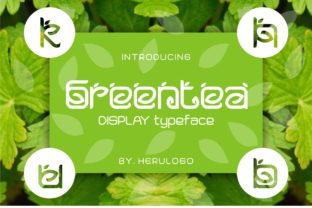
Greentea: A Friendly and Organic Display Font
When it comes to choosing a display font, the right choice can significantly impact the visual appeal and readability of a design. Greentea is one such font that stands out for its friendly and organic aesthetic. Designed with cute leaf elements, it offers a unique look that can enhance the overall feel of any project. This article explores what Greentea is, why someone might be interested in it, and how it compares to other fonts in terms of benefits, tradeoffs, and suitability for different scenarios.
What Is Greentea?
Greentea is a display font that incorporates cute leaf elements, making it ideal for projects that aim to convey a natural, playful, or whimsical vibe. The font's design is inspired by the organic shapes found in nature, particularly leaves. These elements are seamlessly integrated into the letterforms, creating a visually appealing and cohesive typeface. Greentea is often used in branding, packaging, and digital content where a soft and approachable appearance is desired.
Reasons to Consider Greentea
There are several reasons why someone might be drawn to Greentea. First and foremost, its unique design sets it apart from more traditional display fonts. The cute leaf elements add a touch of personality and charm, which can make a significant difference in how a brand or message is perceived. Additionally, Greentea's organic style makes it well-suited for projects that aim to evoke a sense of nature, sustainability, or creativity.
Another factor that may interest users is the font's versatility. While it is primarily a display font, it can also be used in certain contexts where a more casual or informal tone is appropriate. Its friendly appearance can help create a connection with the audience, making it an effective tool for engaging readers or viewers.
Benefits of Using Greentea
One of the primary benefits of using Greentea is its ability to convey a warm and approachable tone. This makes it particularly useful for brands or products that want to communicate a sense of care, authenticity, or environmental consciousness. The font's design also allows for creative expression, enabling designers to experiment with different layouts and visual elements.
Furthermore, Greentea's organic shape can add a level of visual interest that other fonts may lack. This can be especially beneficial in designs where differentiation is key. The font's unique characteristics can help a project stand out in a crowded market or among competitors.
Tradeoffs and Considerations
While Greentea has many advantages, there are also some tradeoffs to consider. One potential limitation is its readability in smaller sizes. Due to the intricate details of the leaf elements, the font may not be as legible when used in body text or for long paragraphs. This means that it is best suited for headlines, logos, or other short-form applications rather than extensive text.
Another consideration is the font's appropriateness for different contexts. While its friendly and organic style works well for certain industries, it may not be suitable for more formal or professional settings. Designers should evaluate whether the font aligns with the overall tone and message they want to convey.
Situations Where Greentea Shines
Greentea is particularly effective in situations where a natural or playful aesthetic is desired. For example, it can be an excellent choice for eco-friendly brands, organic product packaging, or children's content. Its design can help reinforce the message of sustainability, health, or creativity, making it a valuable asset in these areas.
In digital media, Greentea can be used to create eye-catching headlines or social media graphics. Its unique style can help draw attention and engage users, making it a useful tool for content creators looking to stand out online. Additionally, it can be used in illustrations or graphic designs where a handcrafted or artistic feel is needed.
When Alternatives Might Be Better
There are scenarios where alternatives to Greentea may be more appropriate. For instance, if the goal is to create a clean, modern, or minimalist design, a more straightforward font may be better suited. Fonts like Helvetica or Futura offer a sleek and professional appearance that can work well in corporate or technical contexts.
Similarly, if the primary focus is on readability and functionality, a sans-serif or serif font may be a better choice. These fonts are often designed with clarity in mind, making them more suitable for body text or long-form content. In such cases, the intricate details of Greentea could become a hindrance rather than an asset.
Practical Decision-Making Insights
When deciding whether to use Greentea, it's important to consider the specific goals and context of the project. Start by identifying the desired tone and message. If the goal is to create a warm, approachable, or nature-inspired design, Greentea may be a strong fit. However, if the focus is on professionalism, clarity, or versatility, alternative fonts may be more suitable.
Testing the font in different sizes and formats can also provide valuable insights. Experimenting with how Greentea looks in various applications can help determine whether it meets the needs of the project. Additionally, considering the target audience is crucial. A font that resonates with one group may not have the same effect on another.
Ultimately, the decision to use Greentea should be based on a balance between aesthetics, functionality, and purpose. By carefully evaluating these factors, designers and developers can make informed choices that align with their goals and objectives.