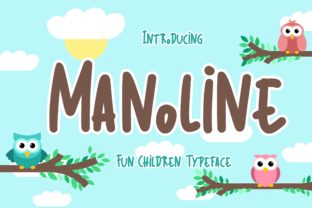
Manoline: A Playful Font for Creative Projects
Manoline is a distinctive font that brings a sense of fun and friendliness to any design. Its unique character makes it ideal for a wide range of applications, from logos to social media posts. Understanding what sets Manoline apart can help you decide if it's the right choice for your projects.
What Makes Manoline Unique?
Manoline stands out due to its playful and approachable style. The font features soft curves and slightly irregular shapes that give it a hand-drawn feel. This aesthetic makes it particularly effective in designs that aim to convey warmth, creativity, or a lighthearted tone.
Unlike more rigid or formal fonts, Manoline offers a relaxed look that can add personality to text. It’s often used in branding for businesses targeting younger audiences or those looking to create an engaging visual identity. The font’s versatility allows it to work well in both digital and print formats.
Comparing Manoline with Other Fonts
When considering fonts for creative projects, it's helpful to compare options based on their style, usability, and suitability for different contexts. Manoline falls into a category of fonts known for their expressive and informal characteristics.
Fonts like Lobster or Great Vibes share some similarities with Manoline in terms of their casual appearance. However, each has its own distinct traits. For example, Lobster has a more dramatic and bold look, while Great Vibes leans toward a more elegant, cursive style. Manoline, by contrast, balances playfulness with readability, making it a practical choice for a broader range of uses.
In comparison to more traditional fonts such as Arial or Times New Roman, Manoline offers a much more dynamic and eye-catching presence. These standard fonts are often preferred for professional or formal settings, whereas Manoline is better suited for creative, informal, or artistic applications.
Best Use Cases for Manoline
Manoline shines in situations where a friendly and engaging tone is desired. It’s commonly used in logo design for brands that want to appear approachable and innovative. For instance, a boutique coffee shop might use Manoline to create a welcoming and inviting brand image.
Social media posts also benefit from Manoline’s lively appearance. It can be used to highlight key messages or create visually appealing graphics that stand out in crowded feeds. The font’s legibility at smaller sizes makes it suitable for captions, headlines, or short phrases.
Invitations and stationery are other areas where Manoline excels. Whether it’s for a wedding, party, or event, the font adds a touch of charm and individuality. It works well with colorful backgrounds or decorative elements that complement its playful nature.
Considerations and Limitations
While Manoline is a strong option for many creative projects, it may not be the best fit for every situation. One consideration is its readability at larger sizes or in dense text blocks. In these cases, the font’s informal style could become distracting or difficult to read.
Another factor to keep in mind is the context of the design. If the goal is to project professionalism or authority, a more structured font might be more appropriate. Manoline is best suited for projects that prioritize personality and visual appeal over strict formality.
Additionally, the availability of Manoline in different weights and styles can affect its usability. Some users may find that the font lacks the flexibility needed for complex layouts or multi-page documents. In such cases, combining Manoline with a more neutral font could provide a balanced solution.
When to Choose Manoline
Manoline is a great choice when the goal is to create a warm, engaging, and memorable visual identity. It’s particularly useful for brands, products, or campaigns that want to connect with audiences on an emotional level. For example, a children’s book publisher might use Manoline to reinforce a sense of fun and imagination.
If your project requires a font that feels personal and expressive, Manoline can be an excellent option. It works well for small-scale designs, such as posters, banners, or illustrations, where its unique character can make a strong impression.
Alternatives to Consider
For those who prefer a more polished or structured look, alternatives like Montserrat or Nunito might be more suitable. These fonts offer a clean and modern aesthetic that is versatile across various design contexts. They are often used in corporate branding, websites, or publications where clarity and professionalism are priorities.
For a more vintage or retro feel, fonts like Cinzel or Bitter could be considered. These options provide a timeless quality that can enhance the visual appeal of historical or thematic designs. They differ from Manoline in their more restrained and refined appearance.
Ultimately, the choice of font depends on the specific needs of the project and the message being conveyed. Exploring multiple options can help identify the most effective solution for each unique scenario.
Making an Informed Decision
Choosing the right font involves evaluating how it aligns with the goals of the design. Manoline is a valuable tool for adding personality and creativity, but it’s important to consider its strengths and limitations in relation to the intended use.
By understanding the characteristics of Manoline and comparing it with other fonts, you can make a more informed decision about whether it suits your needs. Whether you're designing a logo, crafting social media content, or creating invitations, selecting the right typeface can significantly impact the overall effectiveness of your work.