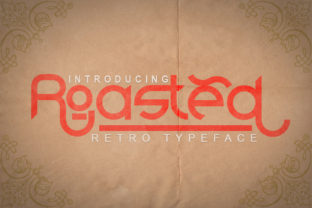
Roasted: A Retro Display Font That Elevates Your Design Process
Roasted is more than just a font—it's a powerful tool that can transform the visual identity of your projects. This retro display font brings a unique energy to any design, making it ideal for branding, marketing materials, and creative expressions. Whether you're working on a personal project or a professional campaign, Roasted offers a distinctive style that stands out in a sea of generic typefaces.
Understanding how to integrate Roasted into your workflow can significantly enhance your design outcomes. From initial concept to final execution, this font can be a valuable asset at various stages of the process. Let's explore how Roasted fits into different aspects of your work and how you can make the most of its aesthetic appeal.
What Is Roasted and Why It Matters
Roasted is a retro display font characterized by its bold, hand-crafted look. Its design evokes a sense of nostalgia while maintaining modern relevance. The font features sharp edges, subtle imperfections, and a warm, inviting texture that makes it perfect for eye-catching headlines, logos, and promotional content.
This font isn't just about style—it's about purpose. In a world where visual consistency is key, Roasted helps establish a strong brand presence. It works well in both digital and print formats, offering flexibility across different mediums. Whether you're designing a website, a poster, or a social media graphic, Roasted adds a touch of authenticity and creativity.
Using Roasted in Different Workflow Stages
Roasted can be used at various points in your design process. Before starting a project, it can serve as inspiration for your overall aesthetic. During the development phase, it can be applied to mockups, layouts, and prototypes to test visual impact. After completion, it can be used to refine details and ensure consistency across all deliverables.
For example, when planning a marketing campaign, you might use Roasted to create a mood board or sketch out potential designs. This allows you to visualize how the font will interact with other elements like color schemes, images, and layout structures. By incorporating Roasted early on, you can build a cohesive visual language that aligns with your goals.
Integration With Other Tools and Resources
Roasted works seamlessly with a variety of design tools and platforms. Adobe Creative Suite, Figma, Canva, and other design software support this font, making it easy to implement in your workflow. Additionally, it can be paired with other fonts to create balanced compositions that highlight its unique characteristics.
When using Roasted alongside other typefaces, consider contrast and hierarchy. For instance, pairing it with a clean sans-serif font can create a striking visual balance. This combination draws attention to the headline while keeping the rest of the text readable and professional. Experimenting with different pairings can help you discover new ways to use Roasted effectively.
Practical Implementation Tips
To get the most out of Roasted, start by understanding its strengths and limitations. Use it for headings, titles, and focal points rather than body text. This ensures readability while maintaining visual interest. Also, pay attention to spacing and alignment—Roasted’s distinct shape may require adjustments to achieve optimal results.
Another tip is to test Roasted in different contexts. Try it on various backgrounds, sizes, and layouts to see how it performs. This helps identify potential issues and ensures that the font remains effective across different applications. Consistency is key, so once you decide to use Roasted, apply it uniformly throughout your project.
Workflow Examples and Observations
Consider a scenario where you're designing a logo for a coffee shop. Roasted can be used to create a bold, eye-catching name that reflects the brand's personality. Pair it with a simple icon or emblem to complete the design. This approach not only highlights the font's retro charm but also reinforces the brand's identity.
In another example, imagine you're creating a social media campaign for a vintage-themed event. Using Roasted for headlines and captions can help set the tone and attract attention. Combining it with vintage-style imagery and color palettes enhances the overall aesthetic, making the campaign more engaging and memorable.
Factors to Consider for Long-Term Use
When using Roasted over an extended period, consider factors like compatibility, scalability, and accessibility. Ensure that the font is available across all platforms and devices to maintain consistency. Also, check that it meets accessibility standards, especially if your audience includes users with visual impairments.
Organizing your design assets is another important consideration. Keep a record of where and how you've used Roasted to avoid repetition and maintain variety. This practice not only improves efficiency but also helps preserve the font's impact over time.
Conclusion: Embracing Roasted in Your Design Practice
Roasted is a versatile and stylish font that can elevate your design work in meaningful ways. By understanding its role in different stages of the creative process, integrating it with other tools, and applying practical implementation tips, you can harness its full potential. Whether you're a designer, marketer, or business owner, Roasted offers a unique way to express your vision and connect with your audience.
As you continue to explore new design possibilities, remember that the right font can make a significant difference. Roasted is more than just a typeface—it's a creative partner that can inspire and enhance your work. With thoughtful application and consistent use, it can become an essential part of your design toolkit.