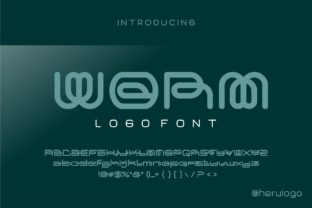
Worm: A Bold, Single-Line Logo Font That Elevates Design
Worm is more than just a font—it's a powerful tool that can transform the visual identity of any project. Designed as a single-line logo font, Worm offers a clean, modern aesthetic that stands out in a crowded design landscape. Whether you're working on branding, web design, or print materials, Worm provides a unique way to express your creative vision with clarity and impact.
This article explores how Worm fits into broader design processes, how it interacts with other tools and methods, and practical ways to integrate it into your workflow. From initial planning to final execution, Worm can be a valuable asset at every stage of the design journey.
Understanding Worm: A Single-Line Font for Maximum Impact
At its core, Worm is a single-line font that combines simplicity with striking visual appeal. Unlike traditional fonts that use thick strokes and intricate details, Worm relies on a continuous line to form each letter. This minimalistic approach not only makes it visually distinct but also enhances readability, especially in digital environments where clarity is key.
The font’s design allows for seamless integration across various mediums, from logos and headings to social media profiles and product packaging. Its versatility makes it an excellent choice for professionals who need a consistent and recognizable visual language across different platforms.
Worm is particularly effective when used in conjunction with other design elements. For instance, pairing it with bold colors or contrasting backgrounds can create a dynamic composition that draws attention without overwhelming the viewer. This balance between simplicity and impact is what sets Worm apart from other fonts in the market.
Integrating Worm into Your Workflow
Whether you're starting a new project or refining an existing one, Worm can be a valuable addition to your design toolkit. Here are a few ways to incorporate it into your workflow:
- Pre-Project Planning: Before diving into a design, consider how Worm can help define the visual tone of your work. Use it to sketch out concepts or create mockups that reflect your brand’s personality.
- During Execution: As you develop your design, test Worm in different contexts to see how it performs. Adjust spacing, size, and color to ensure it complements other elements in your layout.
- Post-Production: After completing your design, review how Worm contributes to the overall message and aesthetics. Make sure it aligns with your goals and maintains consistency across all deliverables.
By integrating Worm early in the process, you can avoid last-minute changes and ensure a cohesive look throughout your project. This proactive approach helps streamline your workflow and reduces the need for revisions later on.
Using Worm in Different Design Scenarios
Worm is not limited to a single type of project. Its adaptability makes it suitable for a wide range of design applications. Here are some common use cases:
- Brand Identity: Use Worm to create a strong, memorable logo that reflects your brand’s values. Its clean lines and modern feel make it ideal for startups, tech companies, and creative agencies looking to stand out.
- Web Design: Incorporate Worm into your website’s typography to enhance readability and visual interest. It works well as a heading font, drawing attention to key sections without disrupting the flow of content.
- Print Materials: Apply Worm to business cards, brochures, and posters for a professional yet distinctive appearance. Its single-line style ensures it remains legible even at smaller sizes.
- Social Media: Leverage Worm in your social media graphics to create eye-catching posts that align with your brand’s visual identity. It’s especially effective for profile pictures, banners, and captions.
Each of these scenarios highlights how Worm can be tailored to meet specific design needs while maintaining a consistent and impactful presence.
Combining Worm with Other Tools and Methods
While Worm is a standalone font, it often works best when paired with other design tools and techniques. Consider the following strategies to maximize its effectiveness:
- Typography Hierarchy: Use Worm as a primary or secondary font to establish a clear typographic hierarchy. Pair it with complementary fonts to add depth and contrast to your designs.
- Color Theory: Experiment with different color schemes to see how Worm responds. High-contrast combinations can make your text pop, while muted tones can create a more subtle, refined look.
- Layout Design: Apply Worm to headers, subheadings, or call-to-action buttons to guide the viewer’s eye through your layout. Its linear structure makes it ideal for creating visual flow and direction.
- Collaboration: Share Worm with team members or clients to ensure everyone is aligned on the visual direction. Its simplicity makes it easy to communicate and implement across different roles and disciplines.
By combining Worm with other design principles and tools, you can create more dynamic and engaging visuals that resonate with your audience.
Practical Tips for Working with Worm
To get the most out of Worm, keep the following tips in mind:
- Test Across Platforms: Ensure Worm looks good on both digital and print media. Check how it appears on screens, mobile devices, and physical materials to maintain consistency.
- Adjust Spacing: Pay attention to letter spacing and line height to prevent overcrowding or excessive gaps. Proper spacing enhances readability and visual appeal.
- Use It Strategically: Avoid overusing Worm in large blocks of text. Instead, reserve it for headlines, titles, or key messages where it can have the most impact.
- Stay Consistent: Maintain a consistent application of Worm across all your projects. This builds recognition and reinforces your brand’s identity over time.
These small adjustments can significantly improve the overall quality and effectiveness of your designs.
Long-Term Benefits of Using Worm
Once integrated into your workflow, Worm can offer long-term benefits that extend beyond individual projects. Its simplicity and adaptability make it a reliable choice for ongoing design efforts, reducing the need for frequent font changes or redesigns.
Additionally, Worm’s clean aesthetic supports scalability. As your brand grows and evolves, you can continue using Worm without worrying about it becoming outdated or inconsistent with new design trends.
For professionals who value efficiency and quality, Worm represents a smart investment. It streamlines the design process, enhances visual communication, and contributes to a stronger, more cohesive brand presence.